
ghosts of automation
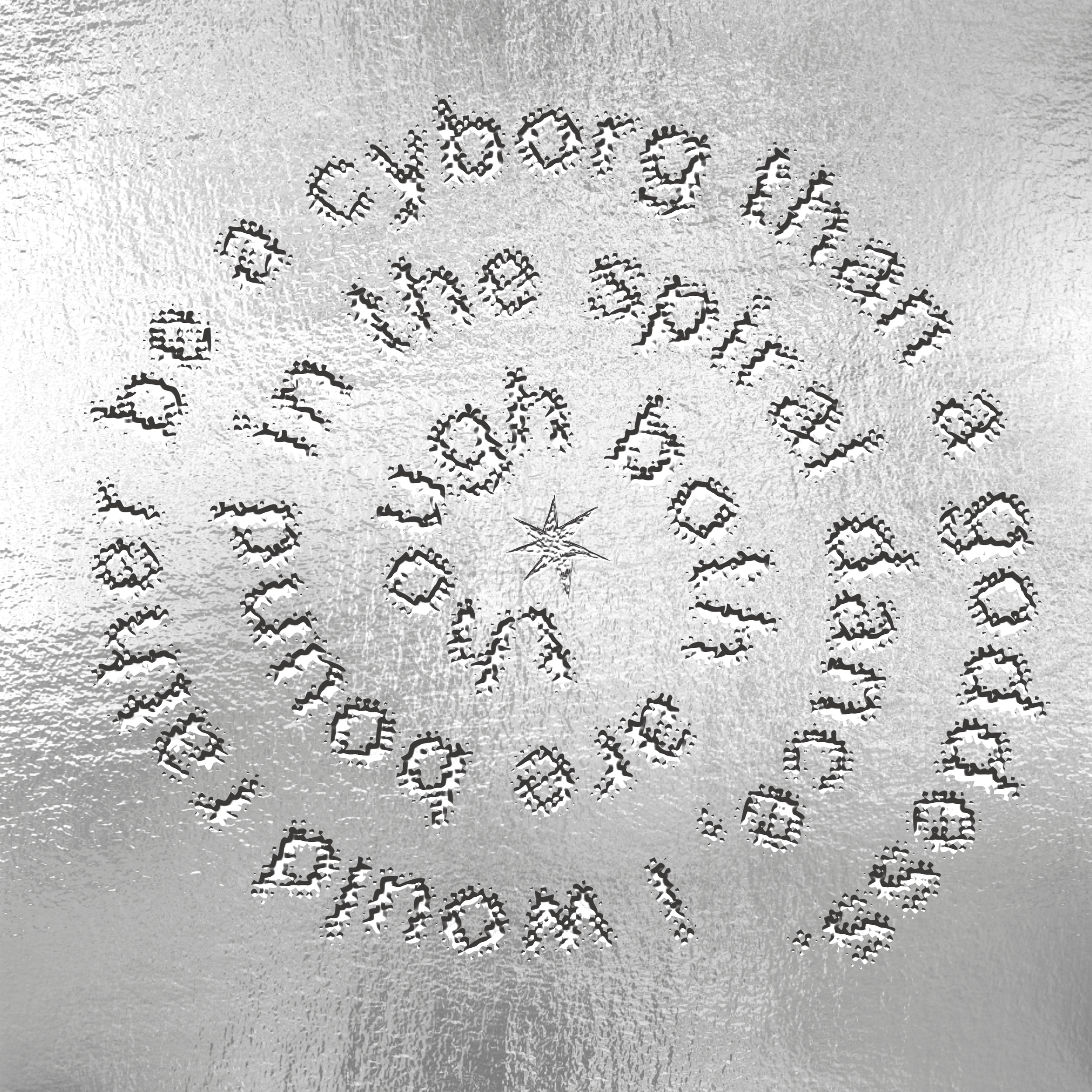
Created as companion pieces to their MA research project at the University of Toronto’s Women and Gender Studies Institute, Yule’s Ghosts of Automation build upon their larger research question: who are the humans behind technology’s myth of automation? What labour is made opaque and invisibilized to uphold narratives of tech as a great equalizing force? What does it mean to be a cyborg and who is granted the agency to identify with such a figure as a site of liberation?
What ghosts continue to haunt the machine?



Nakamura aptly writes in her piece that “some must labor invisibly for others of us to feel, if not actually be, free and empowered through technology use […] it is the flexible labor of women of color, either outsourced or insourced, that made and continue to make this possible.” The languaging around AI within and beyond the global North technology sector right now does not exist in a vacuum. It is part of a long haunting built on the backs of women—particularly Black and Indigenous women and women of colour—who have been made the carry the weight of upholding technology’s killer story for the spear-wielding Hero whose sole interest remains the manufacturing, deployment, and end-user adoption of new technology.


The futures we are being promised in this era of AI are profoundly haunted. They are haunted mythologies and killer stories of technology’s capacious possibilities, histories of futures that never came to pass, and vast networks of invisibilized labourers who have carried the burden of upholding these myths—a long tradition of ghost workers. As Derrida writes, “one can never distinguish between the future-to-come and the coming-back of a specter.”

more from the portfolio ☺︎


You’re On Mute
On the Danforth
Sweet Orange